Low Carb Diet For Schizophrenia

Low Carb Diet For Schizophrenia

Photo Courtesy: GlobalStock/Getty Images

Food provides your body with the energy it needs to perform all of life's basic functions, from breathing and pumping blood to more complicated movements and tasks. Even in a state of rest, your body is constantly working. Case in point: your body uses most of its energy stores while resting, which is why it's important to replenish those stores by consuming enough calories each day.

According to the U.S. Department of Agriculture (USDA), a person assigned male at birth should consume between 2000 and 2800 calories per day, whereas a person assigned female at birth should consume between 1600 and 2400 per day on average. Any diet that contains 800 calories a day or less is considered a low-calorie diet. While unhealthy fad diets might lure folks into visions of ultra-quick weight loss, an 800 calorie diet can pose serious health risks, especially if it's not prescribed by your doctor.

In some cases, doctors prescribe low-calorie diets to patients, but, unlike the folks behind fad diets, a medical professional will ensure that there's not only a legitimate, urgent need for the diet, but that the patient will receive all the nutrition and support they need while following the regimen.

Here, we'll delve into the ways a very low-calorie diet can be unsafe and unhealthy as well as some more realistic alternatives when it comes to weight loss goals.

Your body needs nutrients, such as fiber, vitamins, minerals, and protein, to stay healthy day-to-day and in the long term. For example, you need calcium for bone health, potassium or magnesium for heart health, and fiber for gut health, to name a few. Without enough calcium, you put yourself at an increased risk for bone diseases and fractures.
 Photo Courtesy: VioletaStoimenova/Getty Images

Without enough potassium or magnesium, your heart rhythms could become irregular, you could experience heart palpitations, or you could have a stroke or heart attack. Too little fiber can lead to constipation, unhealthy blood sugar levels, and even colon cancer. With a diet of 800 calories a day, it's almost impossible to get all the nutrients your body needs.

2. You'll Feel A Lot More Sluggish

A very low-calorie diet will cause your body to go into survival mode. This means your muscles will start to break down for their stored glucose to get your body the energy it needs to function. Even if you work out, your muscle mass will likely decline, giving you less strength for movement of all kinds.

 Photo Courtesy: Kathrin Ziegler/Getty Images

Furthermore, without consuming enough calories per day, your metabolism starts to slow down in an effort to conserve energy. This will also cause you to feel a lot of unnecessary fatigue.

3. Your Overall Quality of Life Will Probably Decline

Very low-calorie diets can cause a slew of different negative side effects that are not only bad for your health, but uncomfortable. Most likely, you will always feel hungry and extremely fatigued. You may also experience constipation, diarrhea, dizziness, stomach cramps, headaches, dry mouth, and hair loss.

 Photo Courtesy: LaylaBird/Getty Images

Very low-calorie diets can also lead to an eating disorder. For instance, extreme calorie-cutting can trigger spiked hunger levels, leading to binge eating. Most would probably agree that the pain and discomfort that comes with an 800 calorie a day diet alone make it not worth pursuing.

4. Your Mental Abilities Won't Be As Sharp

Your brain needs a continuous supply of glucose to function normally. Without it, your mental prowess will begin to lag. Glucose isn't the only thing your brain needs either. Nutrients are also necessary to keep it running correctly.

 Photo Courtesy: Image Source/Getty Images

When you put your body through a very low-calorie diet, your starved brain could easily forget how to do basic tasks like cooking an egg or turning on a lamp. Your ability to focus on anything from a simple conversation to a television show to your work will also decline.

5. You'll Increase Your Likelihood For Gallstones

One of the most common serious side effects of an 800 calorie a day diet is gallstones. This happens because your body will begin to break down fat to get the energy it is missing, which, in turn, causes the liver to secrete higher-than-normal levels of cholesterol.

 Photo Courtesy: Ruben Earth/Getty Images

When that high cholesterol combines with bile, gallstones can easily form. Gallstones are common for people who are rapidly losing weight. They cause a significant amount of abdominal pain and can even require surgery.

6. The Weight Loss Typically Does Not Last

A meta-analysis of 29 studies (see Resource Links) found that low-calorie diets helped people lose weight in the short term. However, that weight loss usually did not last long-term.
 Photo Courtesy: stockvisual/Getty Images

The reason for this is simple: once you stop the diet, the weight comes right back. Because an 800 calorie diet is not even remotely sustainable for health reasons, steer clear of it, as it won't even give you the results you want.

Alternatives to a Very Low-Calorie Diet

An 800 calorie a day diet is dangerous and unsustainable. Instead, if you want to lose weight by cutting calories, there are several, much safer alternatives.

Try Intermittent Fasting

Intermittent fasting is a pattern of eating where you have periods when you can eat and periods when you cannot. It doesn't matter what you eat during your eating times. The only restriction is when you eat. Some of the most common intermittent fasting cycles are 16-hour and 24-hour fasting periods. The 16-hour fasting cycle allows you to eat for eight hours each day. The 24-hour fasting method is done only twice per week.

Fasting was a part of human evolution; back in the hunter-gatherer days, limited access to food sources meant that people went for day without eating. As such, humans evolved with the ability to function without eating for longer periods of time. Intermittent fasting has become a popular way to lose weight, and studies have shown it to be safe and effective as well when done properly. Be sure to consult a nutritionist or medical professional before starting a fasting regimen.

 Photo Courtesy: yulkapopkova/Getty Images

Try a Slightly Higher Calorie Count Per Day

The 800 calorie per day diet may be unsafe, but upping your daily calorie count just a tad is not generally considered dangerous. There are many easy-to-follow 1200 calorie diets and 1200 calorie menus around, and the 1200 calorie diet is within the standards of health safety for many folks. The 1400 calorie diet is another great option for people of all genders. Overall, researchers have found both the 1200 and 1400 calorie diets to be safe and effective ways to lose weight. So long as you consume enough nutrients each day, restricting your calorie count can be done safely.

Resource Links:

  • "Long-term weight-loss maintenance: a meta-analysis of US studies" viaThe American Journal of Clinical Nutrition
  • "Estimated Calorie Needs per Day by Age, Gender, and Physical Activity Level" via U.S. Department of Agriculture (USDA)
  • "Very low calorie diets" via National Health Service (NHS)

MORE FROM SYMPTOMFIND.COM

Low Carb Diet For Schizophrenia

Source: https://www.symptomfind.com/health/dangers-of-very-low-daily-calorie-intake?utm_content=params%3Ao%3D740013%26ad%3DdirN%26qo%3DserpIndex

High Fiber High Protein Low Carb Diets

High Fiber High Protein Low Carb Diets

Research shows that following both a low-carb diet and a low-calorie diet is one of the most effective ways to lose weight quickly. Better yet, a low-carb, low-calorie diet that's also high in protein can help get you on the path to weight loss. While low-carb diets like the ketogenic diet and Atkins diet restrict carbs to as low as 20 grams per day, you don't have to go that low to see weight-loss benefits. In fact, eating too few carbohydrates can actually make weight loss harder because you miss out on key nutrients, like fiber from whole grains and legumes, that help you to feel full and satisfied on fewer calories. So what can you actually eat on a high-protein, low-carb diet? Thankfully, there are plenty of delicious, healthy foods to fill your day with while following this eating plan.

In this high-protein, low-carb meal plan, we keep the carbs at no more than 120 grams per day while still meeting the recommended amount of fiber each day (30 grams) from fiber-rich fruits and vegetables, like berries, edamame and hearty kale. You'll still see some traditional carbs in the plan, like beans and chickpeas, because they are healthy foods that you don't need to fully exclude in order to eat low-carb.

To make up for the lower amount of carbs, we packed in high-protein foods (like chicken, eggs and lean beef) to exceed the daily recommended amount of 50 grams per day, and added healthy fat sources (like almonds, olive oil and peanut butter) to get the calories up to 1,200. Packaged into an easy-to-follow meal plan, with simple meal-prep tips you can follow at the beginning of the week to set yourself up for success during the busy weekdays, this low-calorie, low-carb, high-protein combination will help you lose weight without feeling deprived or starved. With the calorie count set at 1,200 calories, you can expect to lose a healthy 1 to 2 pounds per week.

How to Meal-Prep Your Week of Meals:

  1. Make the Flourless Banana Chocolate Chip Mini Muffins to have for breakfast on Days 2 and 3 and as a snack on Days 1 and 4. Buy it! OXO Good Grips 12 Cup Muffin Pan, amazon.com, $28. For easy clean up, use these reusable silicone muffin cups: Buy it! AmazonBasics Reusable Silicone Baking Cups, amazon.com, pack of 12
  2. Prep the Chicken Satay Bowls with Spicy Peanut Sauce to have for lunch on Days 2, 3, 4 and 5. Refrigerate lunches in a meal-prep container to keep fresh. (To buy: amazon.com, $26 for 5)

Day 1

White Bean-Sage Cauliflower Gnocchi

In order to keep your carbs on the lower end, you are most often cutting out fiber-rich foods like whole grains, beans and legumes. Therefore, we made sure to pack this low-carb plan with at least 30 grams of fiber per day, mostly from fruits, vegetables and some whole grains and legumes. This ensures that you are still getting the nutritional benefits of fiber (gut health and satisfaction) while keeping carbs in check.

Breakfast (320 calories, 23 g carbohydrates)

  • 1 serving "Egg in a Hole" Peppers with Avocado Salsa
  • 1 clementine

A.M. Snack (84 calories, 21 g carbohydrates)

  • 1 cup blueberries

Lunch (322 calories, 11 g carbohydrates)

  • 1 serving Salmon Salad-Stuffed Avocado

P.M. Snack (78 calories, 11 g carbohydrates)

  • 1 Flourless Banana Chocolate Chip Mini Muffin (Transport in these reusable silicone bags: Buy it! Stasher 100% Silicone Reusable Food Bag (Sandwich Storage Size), amazon.com, $12 for 1)

Dinner (389 calories, 36 g carbohydrates)

  • 1 serving White-Bean Sage Cauliflower Gnocchi
  • 2 cups mixed salad greens topped with ¼ cup chopped tomato, ¼ cup chopped cucumber, 3 Tbsp. diced avocado and 1 Tbsp. Caesar Salad Dressing

Daily Totals: 1,194 calories, 69 g fat, 32 g fiber, 103 g carbohydrates, 50 g protein, 1,565 mg sodium

Day 2

Shrimp Scampi Zoodles

To keep carbs low today, we included these healthy flourless banana chocolate chip muffins made from oats, banana and eggs, and swapped in zucchini noodles for regular pasta in tonight's dinner. To make sure you are still getting adequate amounts of both carbohydrates and fiber, we filled in the rest of the day with nutrient-rich foods like blackberries, edamame and a serving of whole-wheat baguette at dinner to sop up any of the delicious leftover juice from the scampi.

Breakfast (286 calories, 41 g carbohydrates)

  • 2 Flourless Banana Chocolate Chip Mini Muffins
  • 1 cup raspberries
  • ½ cup nonfat Greek yogurt

A.M. Snack (62 calories, 14 g carbohydrates)

  • 1 cup blackberries

Lunch (351 calories, 14 g carbohydrates)

  • 1 serving Chicken Satay Bowls with Spicy Peanut Sauce

P.M. Snack (100 calories, 9 g carbohydrates)

  • 1/2 cup shelled edamame, seasoned with a pinch each of coarse salt & pepper

Dinner (406 calories, 34 g carbohydrates)

  • 1 serving Shrimp Scampi Zoodles
  • 1 (2-inch) slice whole-wheat baguette

Daily Totals: 1,205 calories, 48 g fat, 29 g fiber, 112 g carbohydrates, 85 g protein, 1,621 mg sodium

Day 3

Pork Paprikash with Cauliflower Rice

Just a single cup of raspberries contains 8 grams of filling fiber with only 15 grams of carbs, which is why you'll see them often on this simple high-protein, low-carb meal plan. High-fiber foods tend to be more filling than low-fiber foods, so you're likely to eat less and stay satisfied longer, which is especially important when cutting calories to lose weight.

Breakfast (286 calories, 41 g carbohydrates)

  • 2 Flourless Banana Chocolate Chip Mini Muffins
  • 1 cup raspberries
  • ½ cup non-fat Greek yogurt

A.M. Snack (150 calories, 13 g carbohydrates)

  • 15 unsalted almonds
  • 1 clementine

Lunch (351 calories, 14 g carbohydrates)

  • 1 serving Chicken Satay Bowls with Spicy Peanut Sauce

P.M. Snack (46 calories, 10 g carbohydrates)

  • 3/4 cup blackberries

Dinner (378 calories, 31 g carbohydrates)

  • 1 serving Pork Paprikash with Cauliflower "Rice"
  • 1 serving Roasted Fresh Green Beans

Daily Totals: 1,212 calories, 54 g fat, 38 g fiber, 109 g carbohydrates, 82 g protein, 1,265 mg sodium

Day 4

Roasted Salmon with Smoky Chickpeas & Greens

In addition to being a great source of protein, which helps maintain muscle mass while you're losing weight, salmon is a great source of omega-3 fatty acids, an essential fatty acid that you must get in your diet. Early research also shows that salmon eaters had lower fasting insulin levels, which can help keep your blood sugar in check and reduce your risk for diabetes. Roasted salmon is served over low-carb veggie-licious kale and chickpeas-a healthy carb you can definitely still be eating, even when following a low-carb diet.

Breakfast (203 calories, 29 g carbohydrates)

  • ½ cup nonfat plain Greek yogurt
  • 1 cup raspberries
  • 1 tsp. honey
  • 1 Tbsp. chia seeds

A.M. Snack (128 calories, 20 g carbohydrates)

  • 1/3 cup shelled edamame, seasoned with a pinch each of coarse salt & pepper
  • 1 cup blackberries

Lunch (351 calories, 14 g carbohydrates)

  • 1 serving Chicken Satay Bowls with Spicy Peanut Sauce

P.M. Snack (78 calories, 11 g carbohydrates)

  • 1 Flourless Banana Chocolate Chip Mini Muffin

Dinner (447 calories, 23 g carbohydrates)

  • 1 serving Roasted Salmon with Smoky Chickpeas & Greens

Daily Totals: 1,206 calories, 53 g fat, 33 g fiber, 98 g carbohydrates, 89 g protein, 1,304 mg sodium

Day 5

Vegan Pesto Spaghetti Squash with Mushrooms and Sun-Dried Tomatoes

Our high-protein weight-loss meal plan includes fiber-rich carbohydrates, like those from berries, white beans and broccoli. Dinner tonight packs in 15 grams of protein, which not only helps you feel full but also may help with weight loss. In one study, researchers found that for every 10 grams of soluble fiber eaten over the course of a day, there was a corresponding 3.7 percent decrease in abdominal fat.

Breakfast (259 calories, 10 g carbohydrates)

  • 1 serving Low-Carb Bacon & Broccoli Egg Burrito

A.M. Snack (64 calories, 15 g carbohydrates)

  • 1 cup raspberries

Lunch (351 calories, 14 g carbohydrates)

  • 1 serving Chicken Satay Bowls with Spicy Peanut Sauce

P.M. Snack (103 calories, 11 g carbohydrates)

  • 3 Tbsp. hummus
  • 4 celery sticks

Dinner (442 calories, 50 g carbohydrates)

  • 1 serving Vegan Pesto Spaghetti Squash with Mushrooms & Sun-Dried Tomatoes
  • 2/3 cup no-salt-added canned white beans, rinsed

Stir beans into an individual portion of the spaghetti squash and sauce.

Daily Totals: 1,219 calories, 67 g fat, 33 g fiber, 100 g carbohydrates, 64 g protein, 1,867 mg sodium

Day 6

Taco Lettuce Wraps

Yes, you can still eat cheese and lose weight! String cheese is a great midday snack, especially when paired with fiber-rich raspberries. The combination of protein and fiber increases satisfaction and can reduce appetite at your next meal.

Breakfast (203 calories, 29 g carbohydrates)

  • ½ cup nonfat plain Greek yogurt
  • 1 cup raspberries
  • 1 tsp. honey
  • 1 Tbsp. chia seeds

A.M. Snack (128 calories, 22 g carbohydrates)

  • 1 small apple
  • 1 string cheese

Lunch (351 calories, 14 g carbohydrates)

  • 1 serving Chicken Satay Bowls with Spicy Peanut Sauce

P.M. Snack (64 calories, 15 g carbohydrates)

  • 1 cup raspberries

Dinner (479 calories, 28 g carbohydrates)

  • 1 serving Taco Lettuce Wraps
  • 1 serving Pineapple & Avocado Salad

Meal-Prep Tip: Save 1 serving of the Taco Lettuce Wraps to have for lunch on Day 7. When preparing the Pineapple & Avocado Salad, set aside 1/4 of an avocado and 1/2 cup pineapple before dressing with the vinaigrette to have for lunch on Day 7.

Daily Totals: 1,224 calories, 60 g fat, 37 g fiber, 107 g carbohydrates, 76 g protein, 1,129 mg sodium

Day 7

Zucchini Lasagna

Lettuce takes the place of tortillas in our low-carb, gluten-free taco lettuce wraps. Stuffed with lean ground beef, jicama, avocado and salsa and a whopping 23 grams protein per serving, this lunch will keep you feeling full for hours.

Breakfast (278 calories, 22 g carbohydrates)

  • 1 serving Spring Green Frittata
  • 1 cup raspberries

Lunch (431 calories, 28 g carbohydrates)

  • 1 serving Taco Lettuce Wraps
  • 1/4 avocado, sliced
  • 1/2 cup sliced pineapple

Combine avocado and pineapple with 1 tsp. lime juice and a pinch of salt.

P.M. Snack (31 calories, 7 g carbohydrates)

  • 1/2 cup blackberries

Dinner (480 calories, 45 g carbohydrates)

  • 1 serving Zucchini Lasagna
  • 1 (2-inch) slice whole-wheat baguette

Daily Totals: 1,220 calories, 58 g fat, 28 g fiber, 101 g carbohydrates, 78 g protein, 1,684 mg sodium

High Fiber High Protein Low Carb Diets

Source: https://www.eatingwell.com/article/291507/high-protein-low-carb-meal-plan-1200-calories/

Gluten Free Diets And Low Carbs

Gluten Free Diets And Low Carbs

Keeping up with what's healthy can feel overwhelming at times.

Eggs are bad for you, eggs are good for you; fats are bad for you, some fats are good for you. The reality is that certain things have always been bad for us, but truth sometimes gets lost in the pile of "get thin quick" diet fads. There are also some foods that, while not necessarily "bad" for you, cause health issues for certain people.

Low carb diets have occasionally worn the label of "fad diet" throughout the years. In reality, foods loaded with simple, processed carbohydrates have always been bad for your health. They offer little in the way of nutrition while also carrying a high-calorie content. What's more, processed carbohydrates are highly addictive, keeping you coming back for more.

Wheat grain next to breadsGluten is a protein found in many grain-based foods, but it is also added to products to make them creamier, even non-food items such as shampoo. In recent years, gluten-free has also taken on the patina of a fad diet. It seemed that, overnight, many of the products at your local grocer's contained labels proclaiming them to be "gluten free," even foods that never contained gluten. The reality is that many people's bodies do not tolerate gluten well, from mild sensitivity issues such as bloating and brain fog to individuals with celiac disease, an autoimmune disorder.

If one of your health goals is eliminating processed carbohydrates from your diet, choosing to go gluten-free may help. This is because many of the most carb-heavy foods are packed with gluten, particularly processed and simple carbohydrates. Two offenders that leap to mind are bread and pasta. However, gluten-free does not always mean low-carb, so read labels carefully. For example, you can find many gluten-free bread and pasta options that are still loaded with carbs. Of course, if you're also cutting processed foods from your diet, you won't have many labels to read.

Gluten Free sign for food shoppersIf you choose gluten-free foods due to an intolerance of or sensitivity to the protein, you need to look beyond foods known for their high carb content. You find gluten in all of the following:

  • Packaged meals and soups
  • Protein shakes and bars
  • Sauces, marinades, and dressings
  • Processed meats, such as bacon

As with carbohydrates, the solution is eliminating as many processed foods as possible. Instead, eat lean proteins, eggs, fresh or frozen vegetables, fruit and berries, unsalted nuts, and plain dairy.

Eliminating Processed Carbohydrates

Image of bad carbohydrates, white bread, pasta, sugarOne of the quickest, easiest ways to lower your risk of developing heart disease, obesity, type 2 diabetes, and other chronic diseases, is to cut processed carbohydrates from your diet. Also known as refined or simple carbs, these foods provide little nutritional value, since the refining process removes most of the healthy grain, as well as the fiber and B-complex vitamins found in complex carbohydrates. White bread and rice are two of the most well-known culprits, but you find these refined carbs everywhere: chips, candy, soda, pastries.

Luckily, there are myriad healthy carb options to ensure your body gets the nutrients it needs, particularly if you follow a plant-based diet. Leafy green vegetables, peppers, tomatoes, carrots, sprouts, and anything that adds color to your plate make a great choice. Shoot for at least two servings per day, and preferably three. You can also replace candy and other sweets with fresh fruit and berries. Again, aim for two servings per day. Drink water and the occasional serving of natural juice instead of those sugary sodas.

If you can't live without your starches, try eating more complex varieties, such as whole-grain bread instead of white or sweet potatoes, which are packed with fiber. Below, we offer a list of alternatives that are tastier and healthier than their processed counterparts.

Gluten-Free Food Substitutes

The following foods are both gluten-free and either low-carb or rich in complex carbs.

  • Amaranth is an ancient grain loaded with minerals and amino acids. Use it as a substitute for rice, add it to soups, make it into a porridge, you can even pop it and eat it like popcorn.
  • Gluten-free pasta offers the ease and taste of a pasta-based meal without gluten. It still contains significant carbs, though, so read labels carefully, follow suggested serving sizes, and avoid making this a daily diet staple.
  • Millet is another popular rice substitute. You may also combine it with rice or quinoa to make a gluten-free porridge.
  • Popcorn makes a great snack substitute, so long as you don't load it with butter and salt or cover it in caramel.
  • Quinoa is a bit pricey but many people looking to follow a low-carb or gluten-free diet use it as a substitute for rice.
  • Rice is rich in complex carbohydrates, particularly if you choose one of the more colorful varieties.
  • Sweet corn has a carb load similar to white potatoes but is packed with fiber.
  • Sweet potatoes have a lower glycemic index than white potatoes do, though both options are gluten-free. Both also have fewer carbs than starches such as rice and pasta.

Eliminating processed carbohydrates and gluten from your diet offers a variety of health benefits, including weight loss. If you're just starting with a low-carb or gluten-free diet, talk to your doctor or dietician. He or she can help put you on the right track to help ensure success.

At Clancy Medical Group we believe in a holistic approach to medicine. A simple change in diet instead of medication has been beneficial to some patients. Make an appointment today and explore what the natural possibilities are for your health. Clancy Medical Group (760) 305-1900

Gluten Free Diets And Low Carbs

Source: https://www.clancymedicalgroup.com/eliminate-gluten-processed-carbohydrates/

3000 Calorie Diet Low Carb

3000 Calorie Diet Low Carb

lchf-low-carb-high-fat-protein-meal-plan-3000-caloriesIn my last post I gave you guys a 3000 Calorie meal plan with higher carbs (low glycemic carbs and no sugar).

Now it's time to give you a 3000 Calorie low-carb plan (lchf).

As you know, I'm busy putting together a whole book of meal plans so that you guys don't have the hassle of putting together daily diets to hit your calories and macros. This free book should be a constant companion in your muscle-gain, fat loss journey from here on in. As such, it will be invaluable!

The whole book of meal plans will be available shortly for FREE download. But to get the link you need to be on the list to be notified (link will not be available to non-subscribers). If you're not on it, enter your details below and I'll be in touch with you as soon as I have it completed 🙂

LCHF Low Carb High Fat High Protein Meal Plan – 3000 Calories

Meal #1: Bacon & Eggs with Cheese

50g or 1 ½ ounces Bacon

  • Calories : 238
  • Protein: 10g
  • Fat : 22g
  • Carbs (net): 0g

3 x Whole Eggs

  • Calories : 213
  • Protein: 18g
  • Fat : 15g
  • Carbs (net): 1.5g

45g Cheddar Cheese, which is about 2 regular slices or 1 ½ ounces (put on your eggs)

  • Calories: 156
  • Protein: 10g
  • Fat: 12g
  • Carbs (net): 2g

TOTAL CALS : 607 | Protein: 38g | Fat : 49g | Carbs (net): 3.5g

Meal #2: The Monster Smoothie. Whey, Heavy/Double Cream, Peanut Butter, Flax, Water.

40g Serving Whey Protein

  • Calories: 152
  • Protein: 33g
  • Fat: 1g
  • Carbs (net): 2.75g

1 x tablespoon (about 15g) Natural Peanut Butter

  • Calories: 100
  • Protein: 4g
  • Fat: 8g
  • Carbs: 3g

150ml or 5 fl oz. Heavy Cream (called double cream in the UK)

  • Calories: 523
  • Protein: 3g
  • Fat: 55g
  • Carbs (net): 4g

1 x heaped tablespoon Flax Seed (~15g)

  • Calories: 78
  • Protein: 2g
  • Fat: 6g
  • Carbs (net): 4g

TOTAL CALS: 853 | Protein: 42g | Fat: 70g | Carbs (net): 13.75g

MEAL #3 – Protein Shake (40g) Take after your workout. You can move this meal around to whenever you train in the day.

  • Calories: 152
  • Protein: 33g
  • Fat: 1g
  • Carbs (net): 2.75g

TOTAL CALS: 152 | Protein: 33g | Fat: 1g | Carbs (net): 2.75g

MEAL #4 Steak, Cauliflower Cheese, Mixed Buttered Veggies

5oz or 140g Steak (cooked)

  • Calories: 345
  • Protein: 39g
  • Fat: 21g
  • Carbs (net): 0g

1 ½ Cups Cauliflower (100g) – cooked weight.

  • Calories: 28.5
  • Protein: 3g
  • Fat: 0.5g
  • Carbs (net): 3g

90g Cheddar Cheese, which is about 4 regular slices or 3 ounces. Melt this over your cauliflower.

  • Calories: 312
  • Protein: 20g
  • Fat: 24g
  • Carbs (net): 4g

15g or 1 tablespoon Butter for melting over your veggies (Kerrygold brand is best)

  • Calories: 108
  • Protein: 0g
  • Fat: 12g
  • Carbs (net): 0g

3 x Heaped Tablespoons of Mixed Veggies (I buy a bag of frozen carrots, peas, cauliflower, broccoli)

  • Calories: 44.5
  • Protein: 3g
  • Fat: 0.5g
  • Carbs (net): 7g

TOTAL CALS: 838 | Protein: 65g | Fat: 58g | Carbs (net): 14g

Meal #5: Chicken & Almond Leafy Salad

200g Chicken

  • Calories: 207
  • Protein: 45g
  • Fat: 3g
  • Carbs: 0g

1 ounce or 28g almonds

  • Calories : 164
  • Protein: 6g
  • Fat : 14.4g
  • Carbs (net): 2.6g

Handful of leafy veggies with 1 tablespoon of olive oil.

  • Calories: 150
  • Protein: 0g
  • Fat: 13g
  • Carbs (net) : 8.25g

TOTAL CALS: 521 | Protein: 51g | Fat: 30.4g | Carbs (net): 10.85g

TOTALS FOR THE DAY:

CALORIES: 2971

PROTEIN: 229g

FAT: 208.4

NET CARBS: 44.85

Back to work for me to get this book finished! I'll be in touch when it's ready for you to download 😀 Please share this article with others by liking or linking to it in social media.

P.S.

3000 Calorie Diet Low Carb

Source: https://musclehack.com/3000-calorie-low-carb-high-fat-high-protein-meal-plan-lchf/

Scrambled Eggs Low Carb Diet

Scrambled Eggs Low Carb Diet

A low-carb or carb-free diet can help steer you away from sugary and starchy foods like bread, pasta, and cereal. Low-carb diets are high in protein and fats and can offer an alternative to counting calories or grams. The diet isn't for everyone, however; people with medical conditions such as diabetes or high blood pressure, as well as pregnant and nursing women, should consult with their general practitioner before making significant dietary changes. Even when a lot of treats are off the table, there are still some great options for people given the go-ahead to adopt a low-carb diet.

Eggs

Eggs are an excellent low-carb food. They contain almost zero carbohydrates, but provide plenty of nutrients including vitamins A, D, E, and B, calcium, iron, phosphorus, zinc, and selenium. Egg yolks contain choline, which is essential for brain development, nerve function, muscle movement, and energy. Eggs are one of the most affordable sources of quality protein.

Fish

Seafood, including salmon, tuna, mackerel, haddock, trout, sardines, and anchovies, are free of carbohydrates. Fish is rich in fats and protein. Fatty fish, including salmon, char, mackerel, and sardines, are some of the best for your health because they contain omega-3 fatty acids that fight inflammation and lower the risk of developing conditions such as autoimmune diseases, metabolic syndrome, heart disease, Alzheimer's disease, and cancer. These nutrients are particularly vital during pregnancy; the fetal brain requires them for healthy development.

Red meat

Red meat, including beef, lamb, pork, and veal, is also carb-free, excepting organ meats like liver. Beef is full of iron and vitamin B12, which helps make DNA and keeps nerves and red blood cells healthy. Depending on the cut, meat may be more or less fatty. This makes it possible to choose your dinner options based on the ratio of fat to protein you need that day.

Poultry

Chicken, turkey, and duck are quality protein sources that contain zero carbohydrates. If you're looking for lean protein, chicken breast contains 80% protein and 20% fat. Some people on low-carb diets prefer to stick to fattier cuts such as the thigh, leg, and wing, however. Chicken provides plenty of essential vitamins and minerals and is low in cholesterol and sodium when the right portion size is properly prepared.

Cheese

Hard cheeses like Muenster, Gouda, cheddar, Colby-Jack, and Swiss are generally no more than one or two percent carbohydrate. Cheese is high in fat and a great source of protein as well. It also boasts ample quantities of vitamin B12 and calcium. Cheese comes in many flavors and textures, making it a versatile food.

Greek Yogurt

While not completely carb-free, Greek yogurt is a low-carb option, usually made up of about 12 grams per cup, and has around 40% of your recommended daily intake (RDI) of protein. It is also a great source of calcium and phosphorus. One of the most beneficial things about yogurt is its probiotic content. Probiotics are good bacteria essential to gut health. They boost immune system function, aid in nutrient absorption, and fight off bad bacteria.

Butter

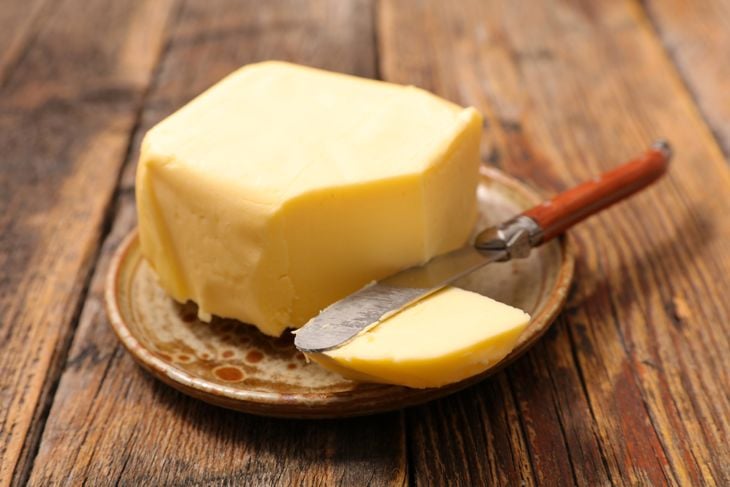
Butter is approximately 80% fat and 20% water. It does not contain any carbohydrates or proteins. It is, however, a great source of vitamins A, D, and E. Butter is also rich in healthy saturated fats that raise good HDL cholesterol, but it can raise bad LDL cholesterol and as such should be consumed in moderation. The America Heart Association recommends eating only 13 grams of saturated fat every day. Butter contains many fatty acids that support brain development, as well, making it a good condiment for growing children.

Nuts and seeds

Nuts and seeds are popular low-carb diet options. These "brain foods" are an excellent source of omega-3 fatty acids and contain plenty of antioxidants for optimal brain function. Almonds are 15% carbs, 72% fats, and 13% protein; while they may not be as low-carb as walnuts, one serving has only 9 grams of carbs, about half of which is fiber. Seeds, including hemp, chia, flax, and pumpkin, are all relatively low in carbs and high in healthy fats and protein, as well. Best of all, they're an easy grab-and-go pick for snacks.

Oil

All oils are carb-free, but the healthiest are unrefined or cold-pressed, including extra-virgin olive, coconut, and avocado oils. Olive oil is loaded with antioxidants, anti-inflammatories, and anti-cancer compounds and is proven to be particularly supportive of heart health, helping fend off strokes and heart attacks.

Low-Carb vegetables

Some vegetables are high in carbs, and some are not. Low carb veggies include asparagus, mushrooms, broccoli, cauliflower, bell peppers, cucumbers, zucchini, spinach, green beans, lettuce, kale, and collard greens. Vegetables to avoid on a low-carb diet include the sweet or starchy ones such as potatoes, sweet potatoes, yams, peas, corn, parsnips, and legumes.

Avocados

Avocados are a unique fruit because instead of being high in carbs, like most of their kind, they are full of healthy fats. They have a wide and varied nutritious profile and even contain more potassium than a banana. They're an excellent source of vitamins C, E, and K, as well as B-vitamins, folate, and many essential minerals.

Low-Carb Beverages

Watch out. There are a lot of carbs hiding in sugary drinks like soda and juice. If you're on a low-carb diet, try to steer clear of beverages with added sugar. People on this diet can opt for water, coffee, tea, and sparkling water.

Scrambled Eggs Low Carb Diet

Source: https://facty.com/food/nutrition/12-low-carb-foods-for-dieting/

Csiro Low Carb Diet Target

Csiro Low Carb Diet Target

Low-carb diets are very effective for people who want to lose weight.

As well as being satisfying and healthy, a strict low-carb diet is able to switch your body into fat burning mode.

To achieve effective weight loss on a low-carb diet, you'll need to:

  • Keep carbohydrate intake low
  • Protein intake moderate
  • Fat intake high
  • Avoid snacking
  • Exercise regularly

The information on this page guides you towards what you need to do to lose weight on a low-carb diet.

Other guides that you will find useful, include:

  • How low carb diets work – for the theory on how the diet helps to reduce weight and blood sugar
  • How to follow a healthy low-carb diet – this will tell you which type of foods to include in your diet
  • Common mistakes on a low-carb diet – see if you're making any of these mistakes which could be holding back your success
  • Why is low-carb not working? – see if there are any others factors that may be making weight loss harder for you than it is for others

Low carb, moderate protein, high fat

Getting the right balance of carbohydrate, protein and fat should help you lose weight.

Most people can have success on a low carb diet without having to measure how much carbs, protein or fat they're having.

Avoiding starchy foods like bread, rice, pasta, potatoes and pastry and not having too much protein-based foods including meat, cheese and nuts, is a good basis for most people to lose weight.

However, some of you may want to monitor your energy intake to make sure you're keeping on the right lines. There are a number of apps that can help with this.

Keep carbohydrate low

It's up to you how low-carb you want your diet to be but strict ketogenic low-carb diets are particularly good for achieving weight loss.

Carbohydrate intake usually needs to be below 50g per day to be ketogenic. Some people may find they need to restrict their carb intake further, say to under 30g, to achieve a ketogenic diet.

Ketogenic diets are when the body is being fuelled primarily by ketones rather than by glucose. Ketones are a form of energy produced by the breaking down of body fat.

To achieve a ketogenic diet , you will need to eliminate grains, starchy foods and most fruit from your diet.

When keeping to a strict low-carb diet, it's important to be aware how much carbohydrate is in different foods. To help out, see our guide on which foods have more carbs than you might expect

Protein should be moderate

Protein should be moderate for weight loss to occur. Too much protein can cause the liver to produce too much glucose (a process called gluconeogenesis) which leads to higher blood sugar levels and can hamper weight loss.

There is no fixed figure for how much 'moderate' should be but low-carb diet researchers and doctors recommend upper limits of anywhere between 30g and 120g of protein.

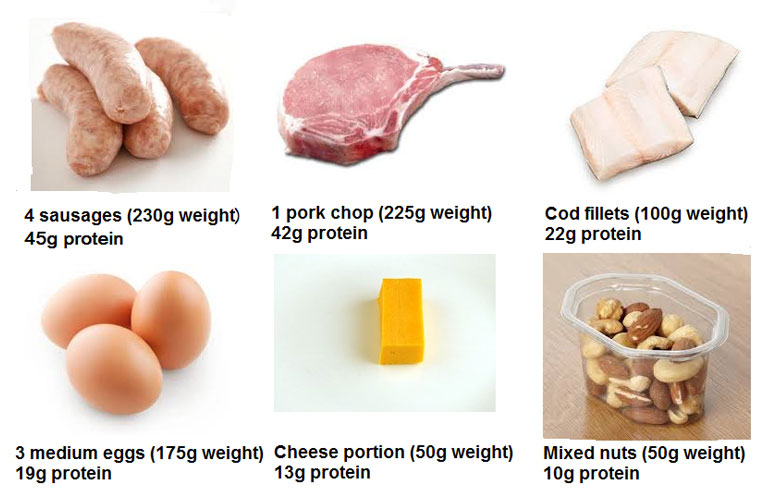
As this is quite a wide spread, it may be best to aim for a more conservative window of around 50g to 60g of protein a day and work from there. [196] [197]

The following image gives a visual guide to how much protein can be found in typical foods.

Protein in meat

High in natural fats

A low-carb ketogenic diet for weight loss has a high fat content with fats coming from natural sources such as meat, oily fish, nuts, avocado, olive oil and dairy.

Fat is the energy providing nutrient (macronutrient) that results in the least impact on blood glucose, insulin levels and weight gain.

Put another way, a high fat diet is more likely to assist weight loss than diets that are high in carbohydrate or protein.

Most people find that if they keep carbohydrate intake low and protein intake sensible, they do not need to monitor how much fat they're having.

One point to bear in mind is that a number of fatty foods, such as meat, fish, nuts and cheese are sources of protein and yoghurt and nuts are a source of carbohydrate so be wary of having excessive amounts of these foods.

Avoid snacking

A low-carb ketogenic diet is generally fairly self-regulating. Many people will find that it's actually quite hard to overeat when sticking to a low-carb, moderate-protein, high-fat diet.

However, no diet is totally fool proof and weight loss will be best achieved if you can avoid snacking between meals.

This will help to keep the level of insulin in your body low and therefore help your body to burn fat.

Exercise regularly

Exercise works the muscles and helps them to take in excess glucose and energy from the blood, which helps lower insulin levels, promote ketosis and therefore stimulate weight loss.

Adding regular exercise to a low-carb diet therefore gives a belt and braces approach to reducing your waistline.

Monitoring fat burning (ketosis)

Measuring your weight is the most obvious way to measure weight loss but some people may wish to also measure their ketone levels.

Ketones are produced in direct response to the burning of fat and so this is a good way measuring to check if your body is burning fat.

Note that sometimes weight loss can occur as a result of fluid loss and weight can be put on in terms of muscle if you have been exercising, so measuring ketones helps avoid these uncertainties.

Measuring ketones can be useful if your weight loss stalls or if you make a change to your diet and want to review whether fat burning is indeed occurring.

Csiro Low Carb Diet Target

Source: https://www.diabetes.co.uk/diet/low-carb-and-weight-loss.html

Are Grapes Ok On Low Carb Diet

Are Grapes Ok On Low Carb Diet

Eating fruit on a keto diet can be an effective way of curbing your sweet cravings. And because fruits are rich in vitamins and minerals, eating keto-friendly fruit is an important way of boosting your health.

However, not all fruit is keto-friendly. While everyone knows that bananas or dates high in carbs and not suitable for the keto diet, some other fruits are harder to judge. Are grapes keto-friendly fruits?

Finding out whether the fruit is a keto cannot be estimated based on sweetness. Some fruits taste sweet but are also high in fiber and low in sugar, such as strawberries or plums, making them suitable for a keto diet. What about grapes?

Keep reading to learn more.

Are Grapes Keto?

image of Are Grapes keto-friendly low carb

Bad news. Grapes are not keto-friendly. This fruit contains 18.1 grams of total carbs per 100g serving and very little fat, which makes it hard to incorporate into the keto diet (*).

Grapes don't contain much fiber either, with only 0.9 grams per serving, which only brings the net carb count down to 17.2 grams (*).

In order to maintain ketosis, most diets recommend consuming less than 30 grams of net carbs per day. Further, you should also try to avoid too many carbs at the same time, trying to consume the maximum amount of 5-10 grams per meal (*).

With 8.5 grams of net carbs in only 10 grapes, this can be a hard feat and even a small serving size of this fruit could kick you out of ketosis.

Are Grapes Healthy?

While fruit and vegetables tend to contain significant amounts of carbs, it is important to include them in keto diets in moderation because they provide valuable nutrients that are beneficial for your body and can optimize your health.

Vitamins and Minerals

Grapes contain Vitamin C, Vitamin K, Copper, Thiamin, and Potassium. These fruits can improve your immunity, protect against disease, promote heart health, help to prevent diabetes, and improves blood pressure.

Antioxidants

Grapes also contain antioxidants, including lutein, zeaxanthin, and flavonoids, including myricetin and quercetin. All of which protect the body from the damage caused by free radicals.

Additionally, red and purple grapes also contain a potent antioxidant called resveratrol, which protects the brain, heart, and immune system.

But even though grapes provide plenty of health benefits, they do not contain any vitamins or minerals that you couldn't obtain through other foods and low-carb fruits. Therefore, we recommend opting for raspberries, strawberries, cantaloupe melons, and other low-carb sources of vitamins and minerals.

Are Dried Grapes Keto?

Dried grapes, more often referred to as raisins, are some of the least keto-friendly options available. Although they can add a twist to your salads, they are very high in sugar and not suitable for the keto diet.

Dried raisins contain around 79.2g of net carbs and 59g of sugar per 100g serving (*). Therefore, eating even a small serving of raisins would quickly kick you out of ketosis.

Are Other Grapes Keto?

There are different types of grapes, including red, white, or green grapes which can be all commonly found in the supermarket.

They differ in color and texture but most of them contain similar amounts of carbs, around 25g of net carbs per cup, making them unsuitable for the keto diet.

Are Muscadine Grapes Keto-friendly?

image of Are Muscadine Grapes Keto-friendly

Muscadine grapes are species native to southeastern and south-central America. Their color ranges from bronze to dark purple with a softer texture.

They taste much sweeter, which makes them ideal for making jams, preserves, grape butter, or jelly. While they have a sweeter taste, because they are high in fiber, they actually contain fewer carbs than traditional grapes.

100 grams of muscadine grapes contain around 10 grams of net carbs and 4 grams of fiber (*). They are also very high in antioxidants, especially ellagic acid and resveratrol.

These antioxidants are reported to lower cholesterol levels, risk of coronary heart disease, and are reported to have anticarcinogenic properties.

Although not the most keto-friendly fruit out there, muscadine grapes have a higher nutritional value and are slightly lower in carbs. If you want to incorporate them into your keto diet, you should still remain careful and only consume small portions.

Are Concord Grapes Keto-friendly?

image of Are Concord Grapes Keto-friendly

Concord grapes belong to the slip-skin variety of grapes, which means that the skin can be easily separated from the fruit.

They have large seeds and are highly aromatic. Similar to muscadine grapes, they are antioxidant-rich and provide health benefits.

One cup of concord grapes contains around 15 grams of carbs per cup (*) as well as significant amounts of Potassium, 175 milligrams.

The concord grapes, therefore, promote bone and kidney health and lower the risk of coronary heart disease and stroke, making them more nutritious than regular grapes (*).

Can I Eat a Few Grapes on Keto?

image of Can I Eat a Few Grapes on Low-carb or Keto

As established at the beginning of this article, even a small amount of grapes contain a significant amount of net carbs and sugar.

While some grape varieties such as muscadine or concord grapes can be easier to incorporate in your keto meals, you should still only eat a small serving size and combine this delicious fruit with high-fat foods that are suitable for keto.

We recommend that you select other keto fruits that are much lower in net carbs per serving, also high in Vitamin C, and won't kick you out of ketosis.

Other Forms of Grapes

Frozen Grapes

image of Frozen Grapes low carb keto friendly

Frozen grapes contain 16 grams of total carbs per cup (*), which is slightly lower, but still unsuitable for most keto diets.

Grape Vinegar

image of Grape Vinegar low carb keto friendly

Grape vinegar is also known as red wine vinegar or balsamic vinegar. It can be easily forgotten as an insignificant condiment that's low in calories. But a tablespoon of this vinegar contains around 6 grams of carbs, which can significantly bump up your daily carb intake (*).

Grape Juice

image of Grape Juice low carb keto friendly

One cup of grape juice contains a whopping 37 grams of carbs, almost all of which are sugar (*). The grape juice should be avoided at all costs because even a small amount would quickly kick you out of ketosis.

What Are the Keto Friendly Fruit Alternatives?

Even though they contain some vitamins and antioxidants, grapes are not suitable for the keto diet. They are too high in carbs and low in fiber and fats, meaning that they would quickly kick you out of ketosis.

There are plenty of other fruits that are much lower in carbs and still provide the needed benefits. Different types of berries including blackberries, raspberries, or strawberries all only contain around 5 grams of net carbs per 100g serving (*).

Cantaloupe and watermelon contain around 7 grams of net carbs, making them more keto-friendly (*).

And if you're looking for an alternative with the same grape flavor, you can look for calorie-free grape flavorings, sugar-free grape soda, or sugar-free grape candy to provide you with the needed grape kick.

The Bottom Line – Are Grapes Keto-friendly?

Grapes are not keto-friendly fruits. They are high in carbs and sugar and it would be hard to include them in the ketogenic diet, even in moderation.

Some grape varieties such as muscadine or concord grapes provide slightly fewer net carbs per serving and more health benefits but they are still high in carbs and not recommended on your keto diet.

When looking to satisfy your sweet craving on a ketogenic diet, we recommend selecting low-carb fruit that would allow you to stay in ketosis and promote weight loss.

image of are grapes keto friendly

Are Grapes Ok On Low Carb Diet

Source: https://www.ketoaholics.com/are-grapes-ketogenic-friendly/

banner